 Cowan Lumber Inc.
Your woods are always growing, but not always in the direction you want. Here is a short, plain-language look at how trees grow, what happens when a woodlot is left alone, and how a well-planned harvest can leave it healthier, more valuable and better for wildlife.
How a tree grows
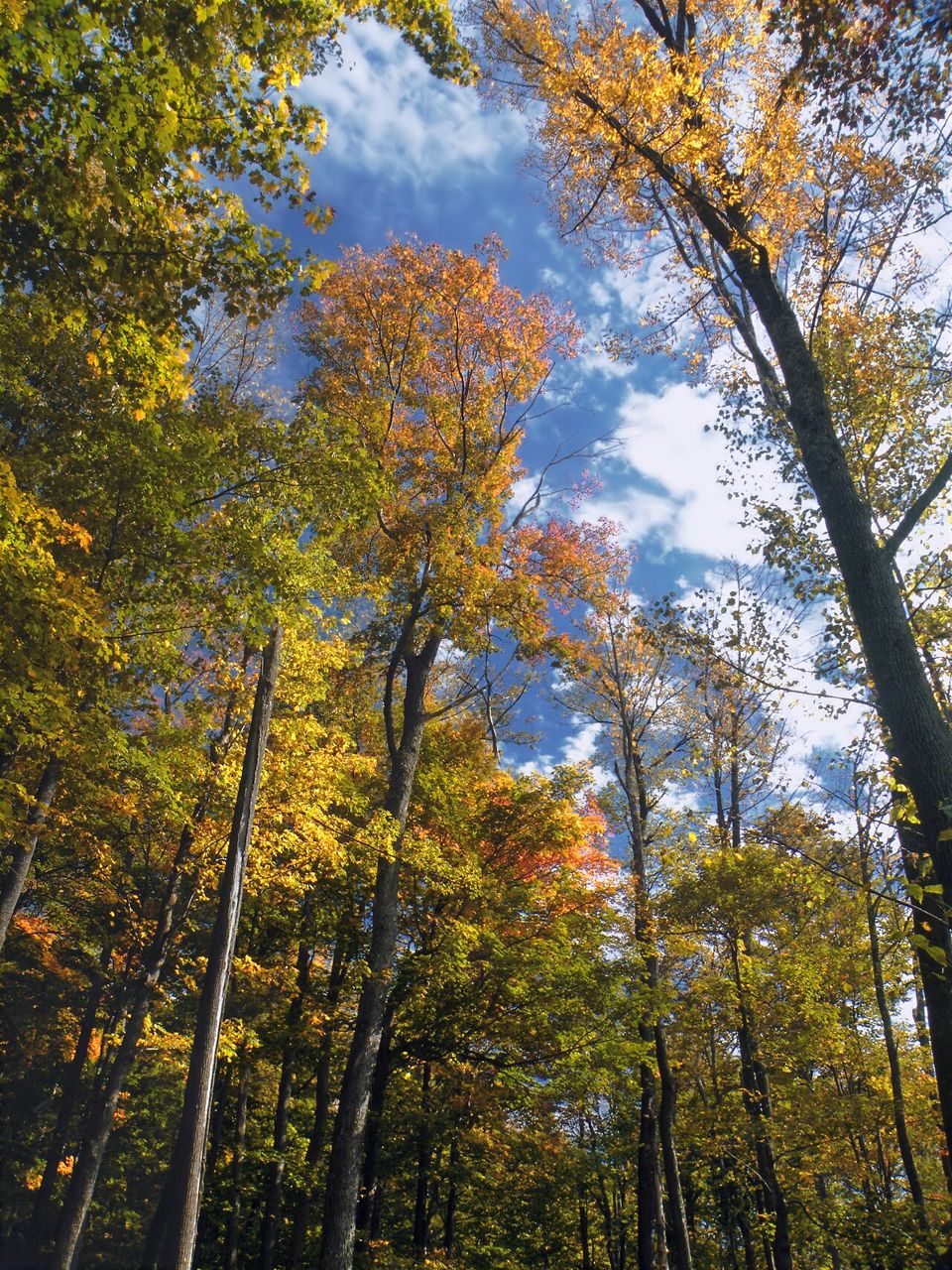
Trees in a forest compete for sunlight, water and soil nutrients, the resources they need for photosynthesis and growth. A tree's ability to capture those resources through its crown and roots decides how well it competes and survives.[2]
The crown is the engine. When a tree has room to spread its crown, it grows more leaf area, which increases photosynthesis and growth.[2]
Reading the rings
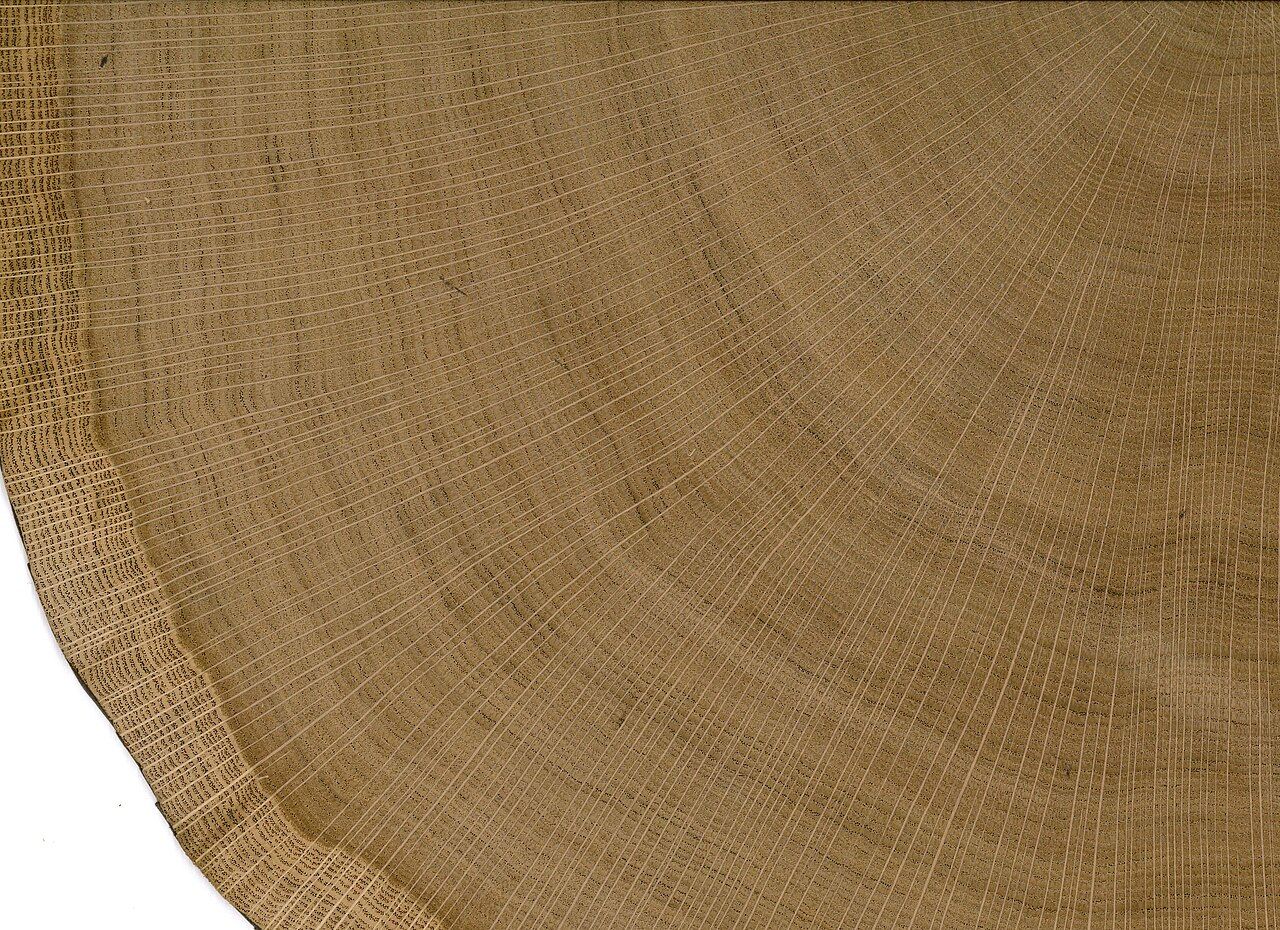
Wood is made by the cambium, a thin layer of living cells between the wood and the inner bark. Where there is a spring and summer growing season followed by winter, the cambium usually adds one layer of wood each year, and those layers are the tree rings you see on a stump.[4]
Each ring has earlywood, formed at the start of the season, and latewood, formed later.[3] How much wood a tree adds each year depends on its condition, its genetics, and its growing conditions.[4]
"The amount of wood produced by a tree each year depends on tree condition, genetic programming, and growing conditions."USDA Forest Service[4]
Why an unmanaged woodlot stalls
As trees grow, crowns press against each other and resources run short. Growth and vigor slow down. If competition becomes severe enough, some trees die, and their share of light and water goes to the survivors. That cycle of crowding and die-off is an ongoing process in hardwood stands.[2]
Left alone, nature decides which trees win, and it does not always pick the straightest, healthiest or most valuable ones. Meanwhile, Pennsylvania's forests face growing stress from insect pests, tree diseases, invasive plants and weather extremes.[7]
Giving the best trees room
A planned harvest can pick the winners on purpose. "Crop trees" are the trees you want to keep and grow. When the neighboring trees whose crowns touch a crop tree are removed, the crop tree gets more sunlight and more below-ground resources.[2]
"Released trees become mature sooner and/or attain a larger size at maturity."USDA Forest Service[1]
How oak comes back
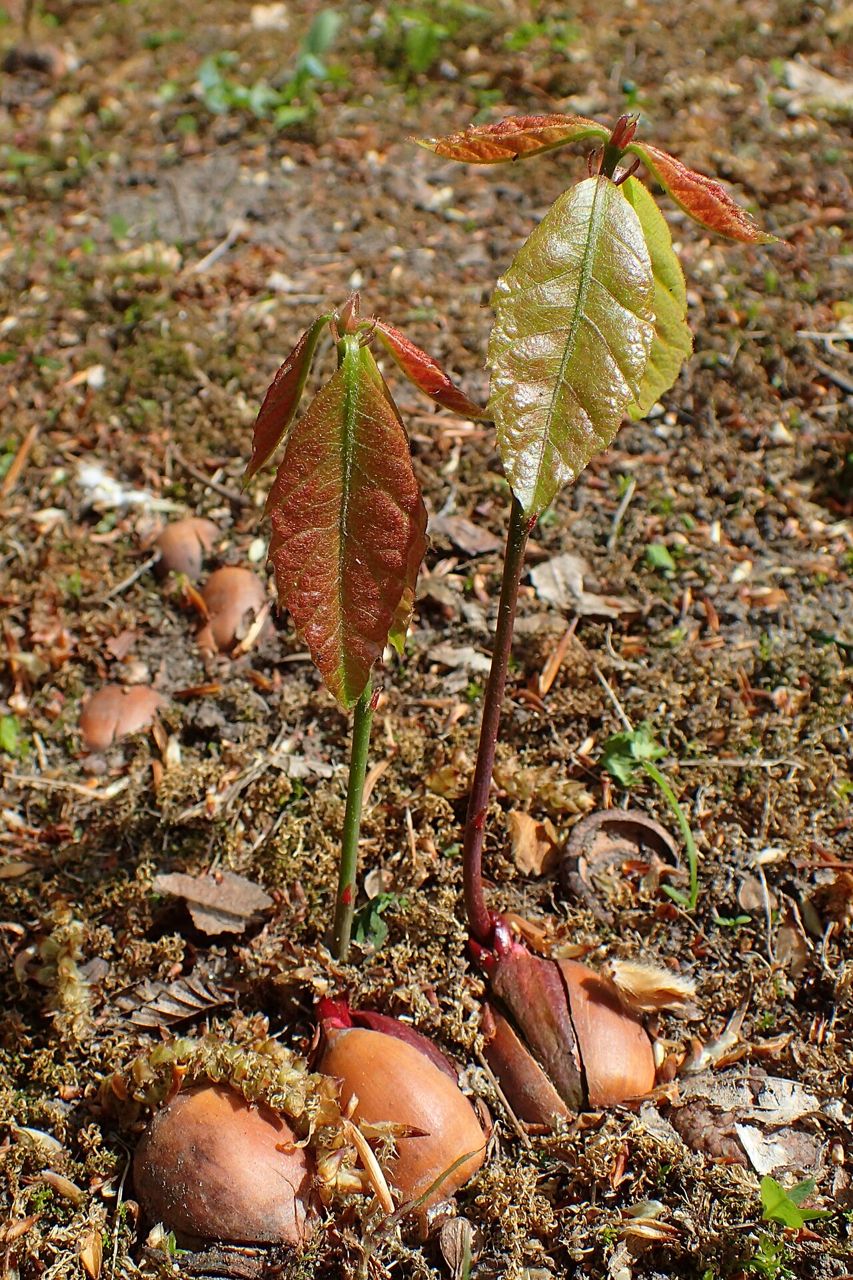
Oak doesn't simply reappear after a harvest. The next generation of oak is usually already on the forest floor as small seedlings, and those seedlings need light and protection to grow up.
A 10-year USDA Forest Service study of red oak seedlings in north-central Pennsylvania found that the key to sustainable oak regeneration is to improve the survival and growth of oak seedlings several years before the planned overstory harvest. Seedlings did best where sunlight was increased by a shelterwood harvest or midstory removal, competing plants were controlled, and deer browsing was reduced by fencing.[5]
What a well-planned harvest can do
Healthier, faster-growing trees
Released crop trees grow larger and reach maturity sooner.[1]
A new generation
Opening the canopy at the right time lets oak seedlings already on the ground grow up.[5]
Wildlife habitat
Shelterwood cuts followed by a final harvest that leaves some trees produce excellent young-forest habitat.[6]
Resilience
A healthy, vigorous forest is one of the best protections against many stressors, and thinning can remove crowded, damaged or stressed trees.[7]
Income now and later
The trees you sell pay today, and the better trees left behind keep growing in size and value for a future harvest.[1]
Trails and access
A harvest leaves usable trails. We repair tracks with our own dozer, and can advise on laying out a trail system.
Young forest, lots of life
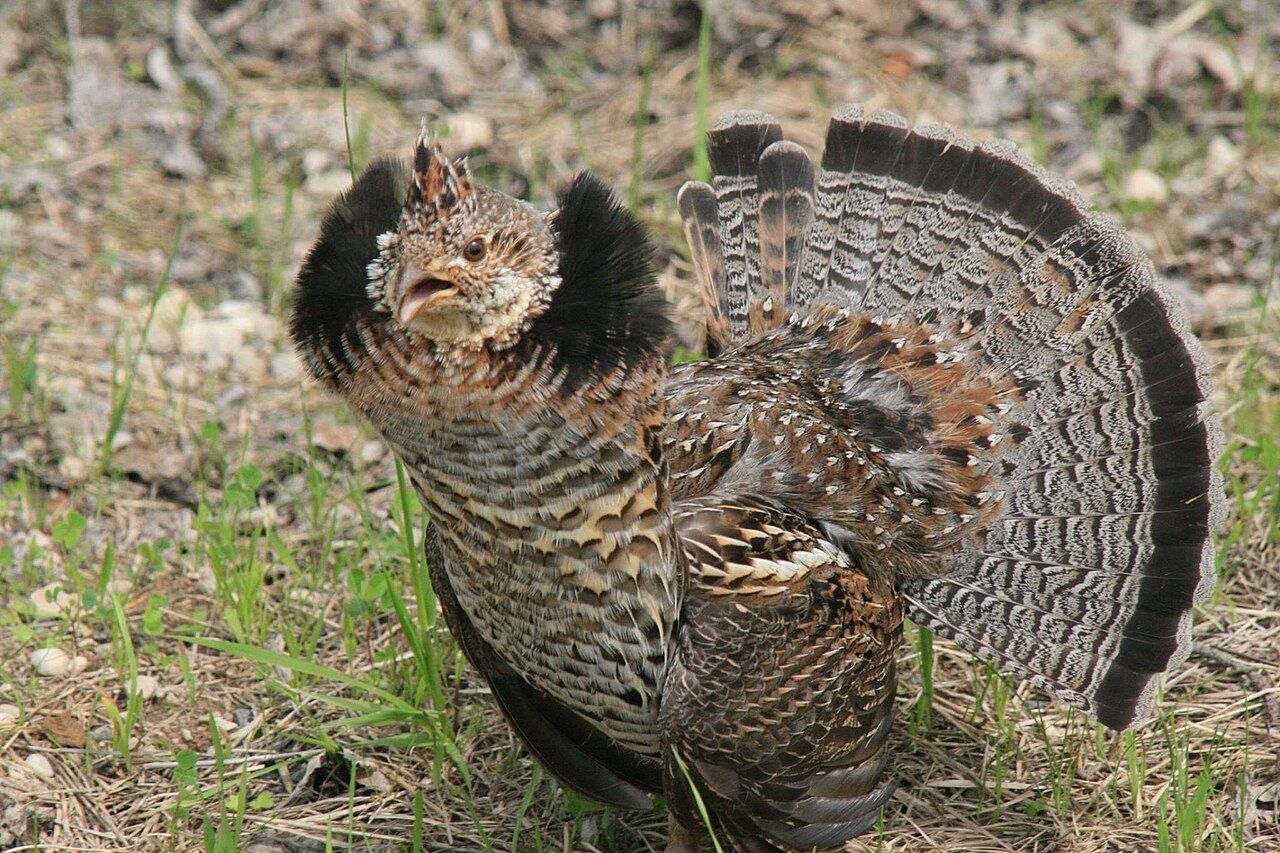
Many wildlife and game species rely on young forest at some stage in their lives, including the Golden-winged Warbler, American woodcock, white-tailed deer, wild turkey, ruffed grouse and eastern cottontail, along with reptiles, amphibians and many pollinators.[6]
"Active forest management, including timber harvests for ecological outcomes, is an important supporting tool to achieve a wide range of goals."Penn State Center for Private Forests[7]
Done right on the ground
Our ownership has Pennsylvania SFI (Sustainable Forestry Initiative) training and is on site for each job. Pennsylvania SFI training covers topics like safe felling and protecting habitat and species, and it is open to landowners too.[9]
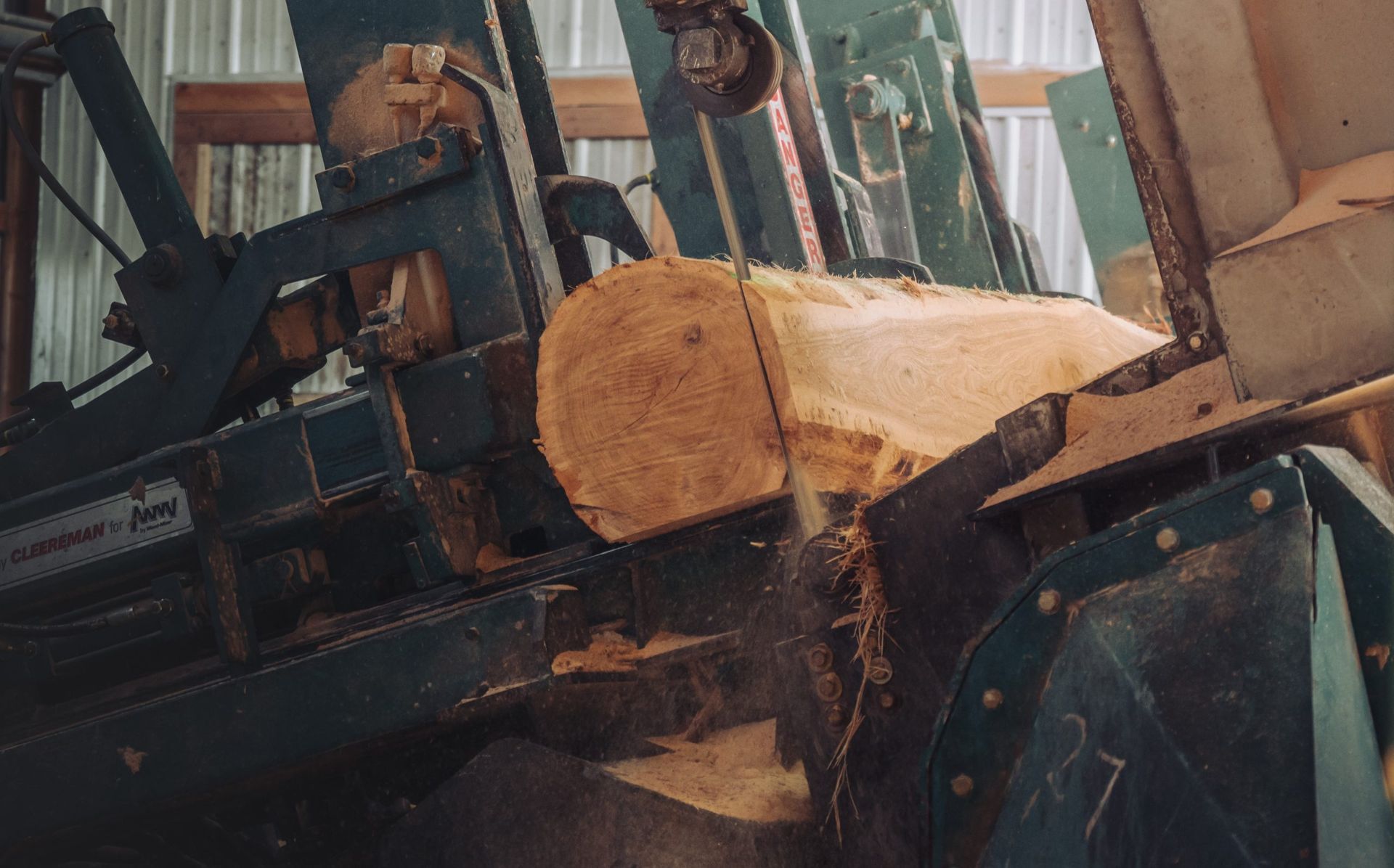
Because we buy the timber, our subcontractors log it, and we saw it at our own mill, you deal directly with the mill from the first walk through your woods to the trail cleanup.
Want to know what your woods could become?
Call or text John at 570-217-7128 (text) or tell us about your property and we'll walk it with you.
Call 570-217-7128 Text John Email JohnLearn more
- USDA Forest Service – How to Release Crop Trees in Precommercial Hardwood Stands
- USDA Forest Service (Miller et al.) – Technical Guide to Crop Tree Release in Hardwood Forests
- USDA Forest Products Laboratory – Wood Handbook, Ch. 3: Structure and Function of Wood
- USDA Forest Service (K. T. Smith) – Tree rings and the local environment
- USDA Forest Service – Advanced Oak Seedling Development as Influenced by Shelterwood Treatments, Competition Control, Deer Fencing, and Prescribed Fire
- Penn State – Managing Young Forest Habitat
- Penn State Center for Private Forests – Keep Penn's Woods Healthy (2026)
- PA DCNR – Forests and Trees
- Penn State – SFI Logger Training… It's Not Just for Loggers!


